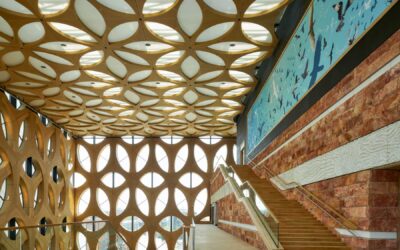
While traditional wall paneling was mostly wood, today it includes new materials and hidden mounting systems that inspire architects and designers to approach interior and exterior walls with creativity. From 3D panels that create dramatic feature walls to highly functional systems designed for efficiency and flawless finishes, modern wall paneling is very versatile. This blog explores the main types of wall paneling, shows where each works best, and touches on a new mounting solution from Fastmount that supports efficient installation, easy access, and professional results across different types of wall paneling materials.
Why use wall paneling?
Wall paneling is more than a design trend, providing a combination style, performance, and practicality across a range of environments.
Aesthetic appeal of wall panelling
Wall paneling lets architects and designers transform ordinary surfaces into stunning feature walls. With options ranging from classic timber to 3D panels and sleek metal finishes, paneling adds depth, texture, and visual interest to any space. It allows designers to create ambience through a visual focal point.
Acoustic performance in wall paneling
Beyond its visual impact, wall paneling can significantly improve acoustic performance. Certain materials reduce noise and reverberation, making paneling a preferred choice in offices, hospitality venues, and homes seeking quiet, comfortable environments.
Durability offered by wall panels
Paneling also offers strong protection for walls. Hard wearing materials resist impact, moisture, and daily wear, making them ideal for commercial and residential use. From high traffic areas to luxury hotel suites, different types of wall paneling add longevity without compromising style.
Wall panel ease of installation
Modern solutions, like Fastmount’s hidden clip system, speed up installation and allow for easy removal and replacement of panels. This not only saves time and labor but also ensures a flawless, professional finish. Hidden systems maintain clean lines with no visible fixings, and this is particularly valued in contemporary design.
Applications in commercial, residential, and hospitality environments
Wall paneling suits a broad range of settings including:
- Commercial spaces: Offices, retail stores, and public buildings benefit from attractive, durable surfaces that support signage and withstand heavy use.
- Residential projects: Homeowners create feature walls, improve room acoustics, and protect surfaces in living areas, kitchens, and bedrooms.
- Hospitality venues: Hotels, restaurants, and conference centers use paneling for luxury finishes, acoustic benefit, and quick installation with minimal disruption to the venue.
The type of panels chosen for walls allows designers to balance functionality and aesthetics. Whether prioritizing durability, design flexibility, or installation efficiency, today’s paneling solutions meet a variety of needs and allow architects and designers to realize more creative designs.
Main types of wall paneling
Modern wall paneling comes in many forms. Below are some of the most common types specified by architects and designers.
- Decorative panels: Textured or patterned surfaces used for feature walls.
- Acoustic panels: Designed to absorb sound and reduce echo in busy or open spaces.
- 3D panels: Contoured or sculpted surfaces that add dimension and shadow.
- Modular panel systems: Pre-sized, interchangeable panels for faster fit out and easy replacement.
- Wooden panels: Solid timber, veneer, or engineered boards for natural warmth.
- Fabric covered panels: Soft textile panels that often have decorative or acoustic elements.
- Wainscoting / classic profiles: Traditional lower wall paneling for aesthetics and protection.
- Metal wall panels: Durable aluminum, steel, or composite panels for durability in high traffic areas.

Material choices and performance considerations for different types of wall paneling
Once you’ve narrowed down the types of wall panelling materials you may want to use, the next step is to match them to how the space needs to perform. The main considerations are moisture resistance, fire resistance, acoustic performance, and durability.
Moisture resistance
In areas prone to humidity, running water or frequent cleaning, choose panels that won’t swell or rot.
Best options: PVC and polymer panels, fiber cement boards, metal wall panels.
Manageable with treatment: Moisture resistant wood composites, sealed edges on wooden panels, coated MDF.
Avoid in wet areas: Standard MDF, untreated timber, and fabric covered panels unless specifically protected.
Fire resistance
Where walls must meet a fire resisting requirement or a rated surface finish, material selection is critical.
Best options: Non-combustible metals, fiber cement, fire-rated gypsum board.
Can be upgraded: Wood with special fire resistant coatings, fabrics with compliant backings.
Check carefully: PVC and plastics vary widely in fire performance so you should confirm compliance before use.
Acoustic performance
Reducing echo or controlling sound transfer is often a key design goal in offices, hospitality, and education spaces.
Best for sound absorption: Fabric covered panels, perforated wood with acoustic backing, perforated metal with infills.
For blocking sound transfer: Dense layers like gypsum board, fiber cement, or solid wood as part of an acoustic wall assembly.
Keep in mind: Smooth, hard panels like unperforated metal or solid wood will reflect sound unless paired with acoustic elements.
Durability and maintenance
Consider how the panels will cope with daily wear, cleaning, and the need for future updates.
High durability: Metal panels, fiber cement, PVC and polymer panels.
Moderate durability: Wood panels (restorable or replaceable), high pressure laminates.
Lower durability: Standard drywall and fabric covered panels. These are best placed in low impact areas with planned maintenance.
Mounting methods for different types of wall paneling
Common methods of wall panel mounting include adhesives, nails, screws, and clip systems. Of these, Fastmount’s hidden clip systems are designed to solve the usual pain points – visible fixings, alignment issues, and poor access
Adhesives
Adhesives allow a clean surface to be maintained with no visible fixings. Installation can also be fast on straight, smooth walls, but it’s typically permanent and makes future access difficult. Many installers reserve it for lightweight panels or combine it with mechanical fixings where walls are uneven.
Nails and screws
Nails and screws are widely used and they work well for concealed areas but they leave visible fix points unless hidden behind trims, and make panel removal more difficult. Where panels must be serviceable, traditional nail/screw methods are often replaced by cleats or clip systems to maintain a clean finish and allow future access.
Clip systems
Traditional clip systems like Z clips allow panels to be removed with minimal damage to panels or substrate. However, they aren’t optimized for frequent non-sequential removal so maintenance and redesign is not ultimately efficient or cost effective.
Fastmount hidden mounting systems
Fastmount’s clip systems are engineered for hidden, removable wall panels, delivering precise alignment, clean surfaces, and non-sequential removal. The ranges include self tapping, screw, and adhesive options. Benefits include faster installation, and reduced downtime for maintenance, and the ability to conceal services behind panels while keeping them easily accessible. Panels can be removed and refitted quickly hundreds of times without damaging the panel or substrate.
Explore real world case studies from Fastmount using different types of wall paneling

Choosing the right type of wall paneling for your space
Selecting the right wall panel comes down to the style you’re after, the purpose of the room, budget, and space type. The aim is a finish that looks right, performs as needed, and is straightforward to install and maintain.
Start with the style of the space
First, determine the visual brief. Are you looking for something warm and natural, minimal and crisp, textured and perhaps 3D, or a classic look? Shortlist two to three panel types that naturally achieve that look. For example, you might choose wood for warmth or a 3D profile for impact. Then check available finishes, variables like grain direction or gloss levels, and how lighting will interact with the surface.
Match the purpose to performance when considering different types of wall paneling
What function do your panels have to meet apart from aesthetics? For example, if you require quiet, private spaces, you’ll need to consider acoustic panels or panels that can be acoustically modified.
Consider your budget when choosing the type of wall panel best suited
You’ll need to consider not only your current budget for the purchase of panels, but also future costs of maintenance and redesign. A slightly higher material cost can pay off if panels are easy to replace or repair. Consider installation costs as well. Systems that allow for quick installation, and easy maintenance are beneficial especially in high traffic environments.
Plan for the space type
A commercial space will be very different to a residential space. It might have more traffic, or have the need to be redesigned to keep it looking fresh. Think about how the space will be used and whether maintenance is a key factor. For sector specific guidance, visit pages for architecture, marine, and recreational vehicles.
Wall panel choices and smarter mounting
Today’s types of wall paneling give specifiers, designers, and architects an unmatched range of styles, materials, and performance options. The right selection can bring warmth, improve acoustics, meet fire or moisture requirements, and stand up to the demands of high traffic environments.No matter the panel type, the way it’s mounted plays a big part in how well it performs over time. Fastmount’s hidden mounting systems make it possible to install panels with precision, keep surfaces free of visible fixings, and allow quick, non-sequential removal for maintenance or redesign. This means panels not only look professional on day one but remain practical, serviceable, and cost effective for years to come.
Explore Fastmount’s full product range
For US-based architectural customers, Fastmount products are available to buy through our online shop.
Other resources
Z-clips vs. a smarter mounting alternative